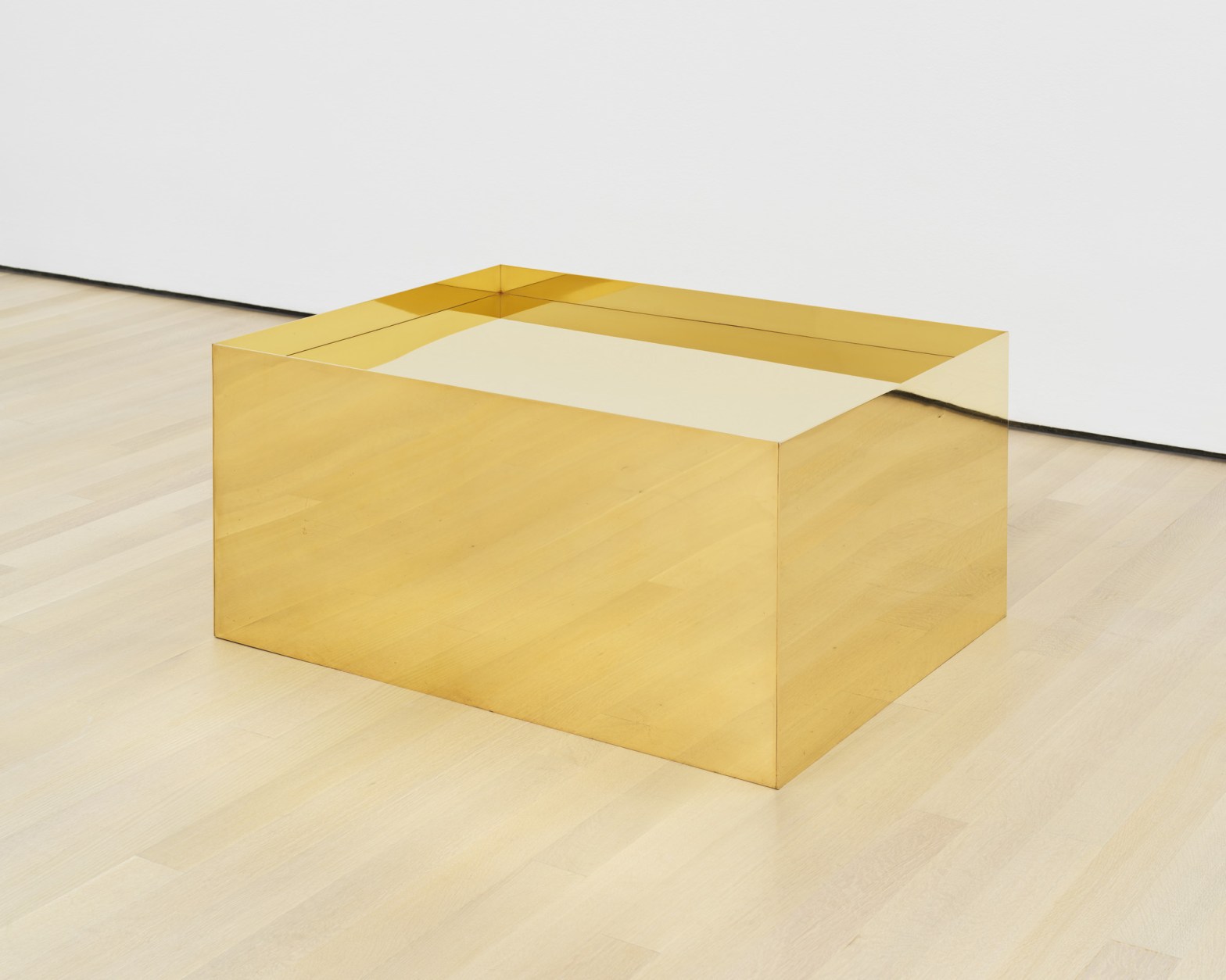
Its hard for me to fully explain the extent to which Judd and his contribution to Minimalism have fed into, and shaped, my thinking and making these past few months. Perhaps a good place to start, though, is the idea of the artists hand and the process of production of an artwork which led me to Minimalism from Mono-ha.
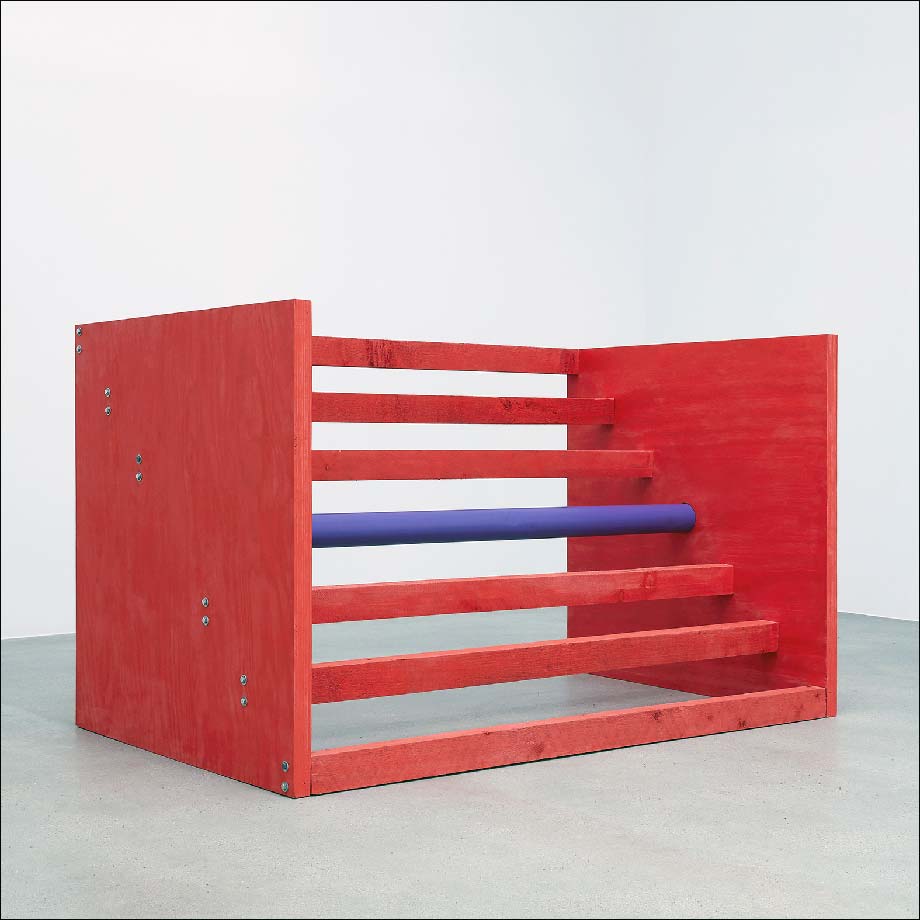
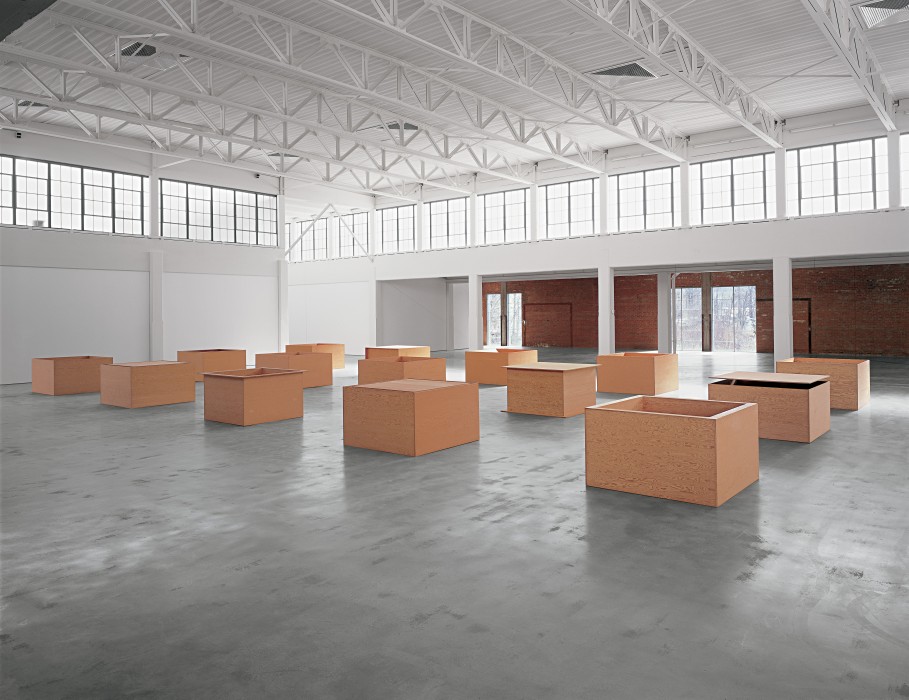
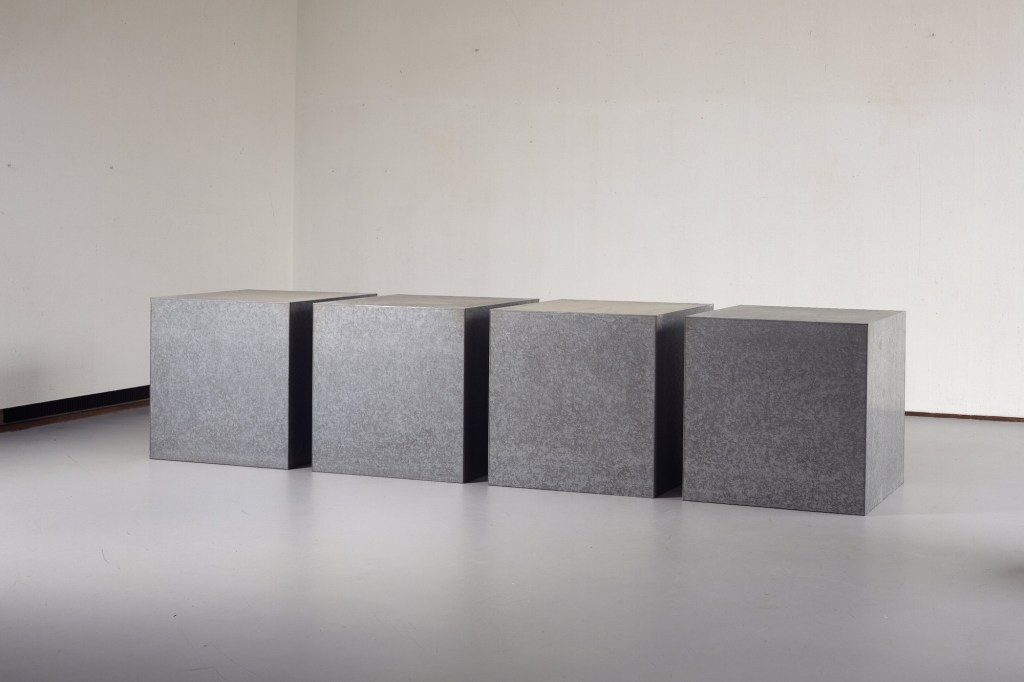
Minimalism, like Mono-ha, irrevocably rejected the Modernist fetish of individual artistic expression, epitomized by Abstract Expressionist. Minimalism sought a radical departure from the tropes of art making and sculpture of the past, seeking to define a new criteria for making and viewing art . The intention of Minimalist artworks was not to express the artist or their labour but rather to articulate more tangible and immediate concepts of space, form and scale which existed as much outside and around the works as inside them.
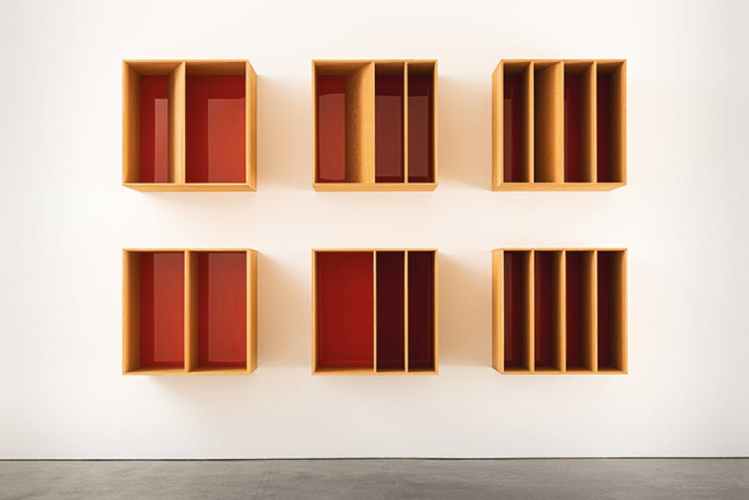
I was fascinated by the idea that Minimalist artworks were conceived in the artists mind, rather than through the intuition of an artists during the process of making. Typically when we think of the act of making art we think of it as a process of negotiating the will of the artist (intention) and the will of the material (physical restrictions of material + gravity), the final product a kind of compromise between the two. I found it fascinating to think how Minimalist artists circumnavigated this, the works essentially constructed and fed back to fit the initial plans of the artists as accurately as they could. (The works did always change somewhat though, perhaps as works cannot be fully understood until they are realised in 3D. The differences between plan and product become interesting in this sense.)
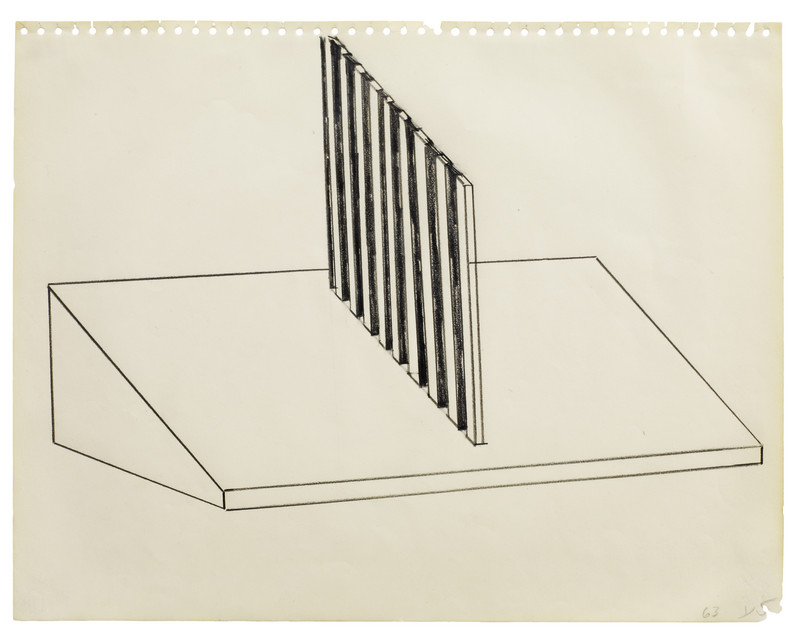
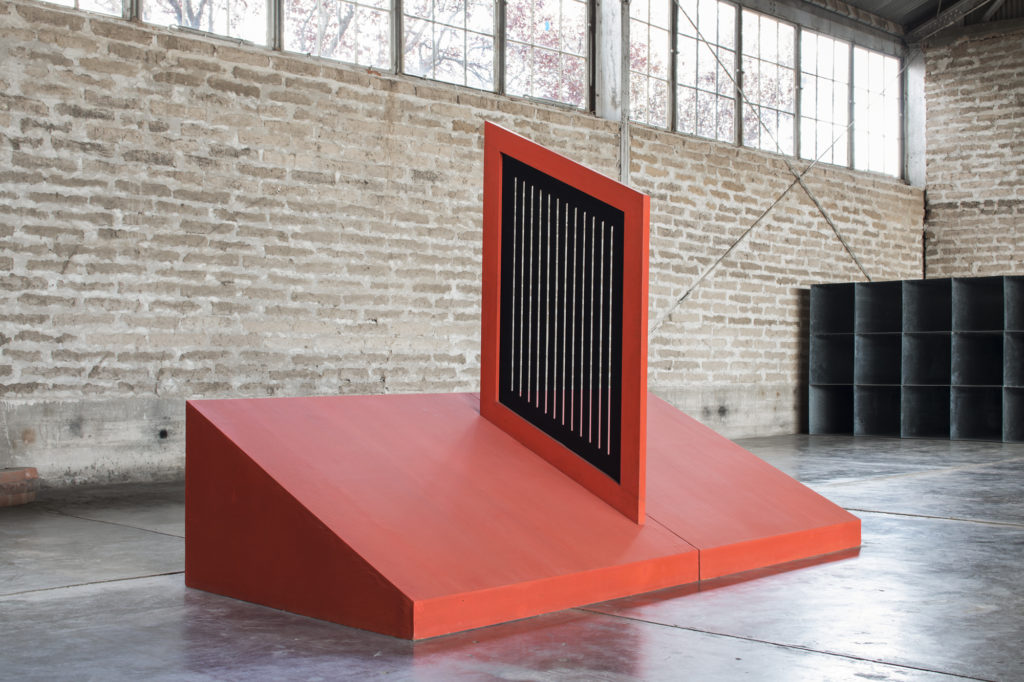
Reading an essay by Kishio Suga, a Mono-ha artists, I was struck by something he said about the relationship between artworks and their plans: “The greater the gap between the plan and the actual object, the more we are pulled into the artist’s intention” (Kishio Suga, Existence Beyond Condition (1970) p1). Essentially the smaller the distance between artistic intention and product the less room there is for expression of the artist. This explained why Minimalist artworks, wanting to subvert the trope that art was an expression of the artists self and emotions, rarely differ to their plans and sketches, along with why they often seem so cold to look at. Materials in this sense were always chosen for ease of purpose, in order to have the smallest compromise with the intention of the artist.
As Carle Andre explained: “We should use materials is art which are really appropriate to our ends. Not marble for the sake of marble… but marble where marble is appropriate and dirt where dirt appropriate”
This is why so many Minimalists chose to use industrial materials which were made for the purpose of building and being used. In many ways industrial materials have already had their will beaten out of them by the time the artist or fabricator comes into contact with them and so they in theory are the most passive receptacles for ideas.
 Oisin Stanley-Stephenson