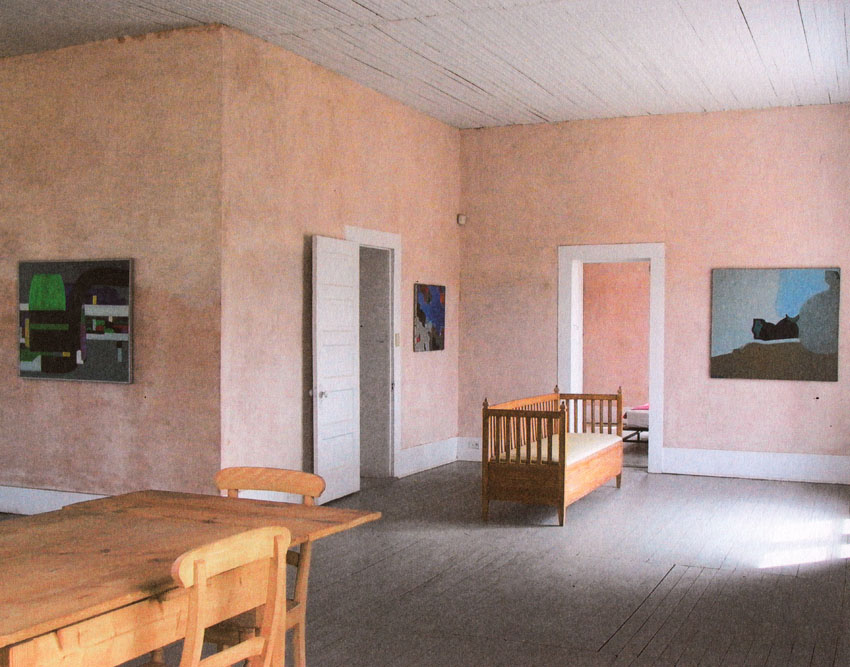
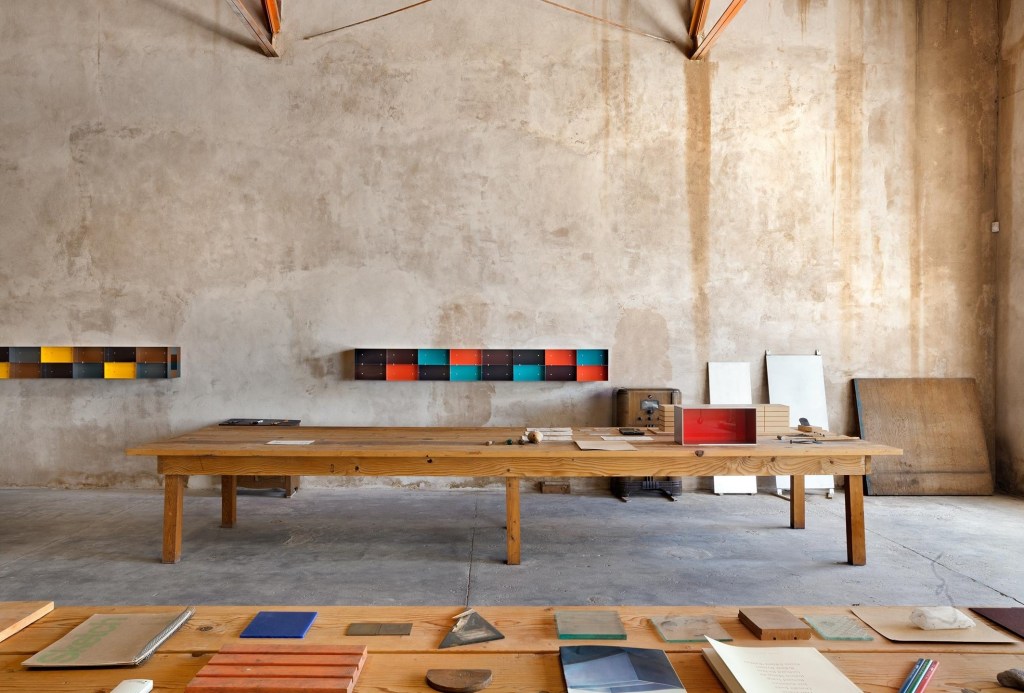
Looking at the career of Donald Judd, I became very interested in his work outside of his art towards the end of his life. Late in his career, having relocated to Marfa, Texas, he began to create private spaces for himself where he displayed his collection of work from throughout his career. The idea was to create a space for him to reflect on his work, its lineage and progression. The spaces were eventually open the public by his request after he eventually passed away. (The picture above is from one such space displaying Judds early paintings)
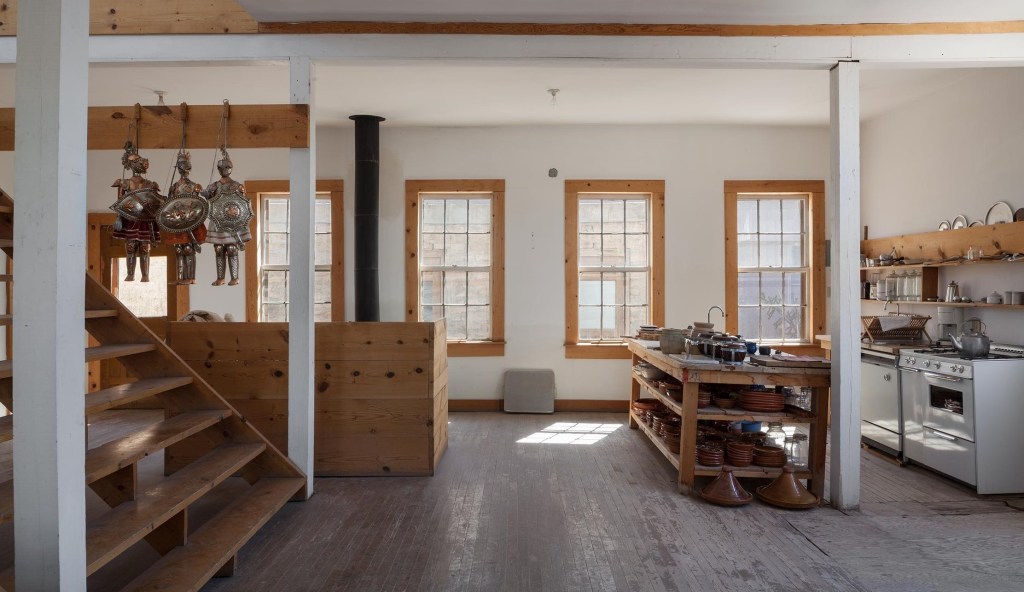
I became fascinated by these spaces, particularly the way they integrate art and living (judd also designed the furniture for these spaces himself). It led me to think about how artworks can exist within, and be part of, a domestic setting. Often when thinking about art in a domestic context I have a knee-jerk reaction against it, feeling that keeping artworks for ones self in a way steals it from the public. Also the idea of having good art on your walls which has been bought often reminds me of the commodification of artworks and its ties of systems of capitalism.
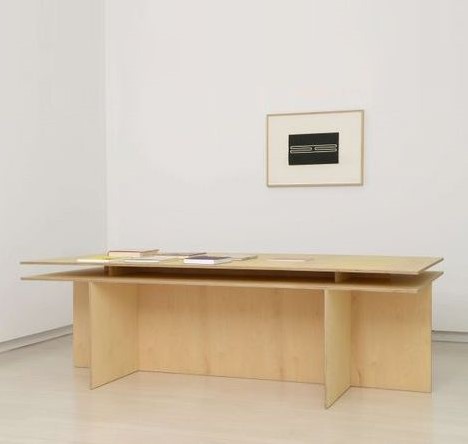
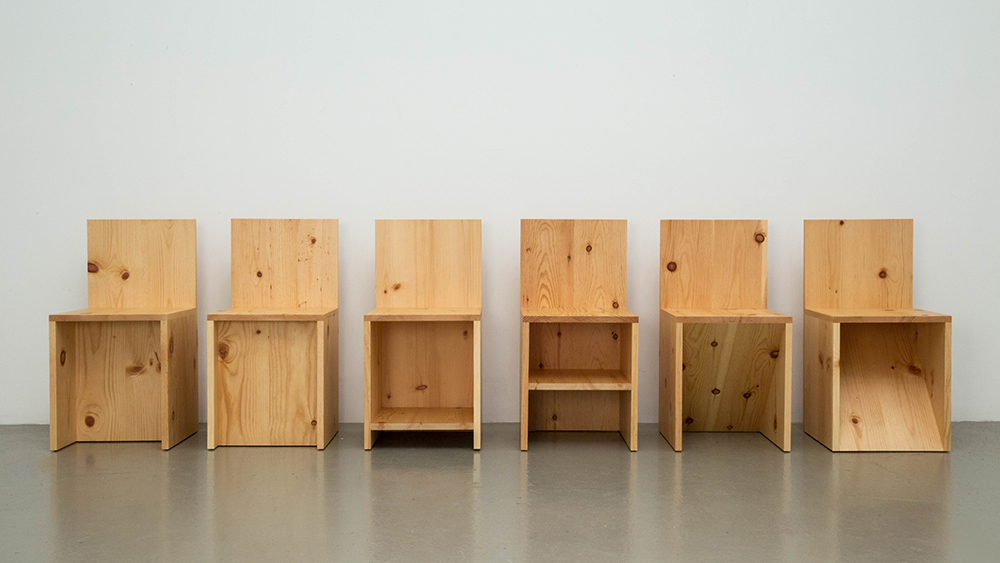
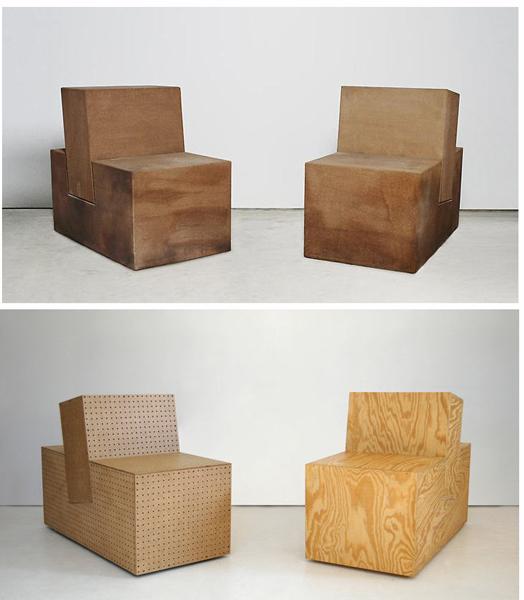
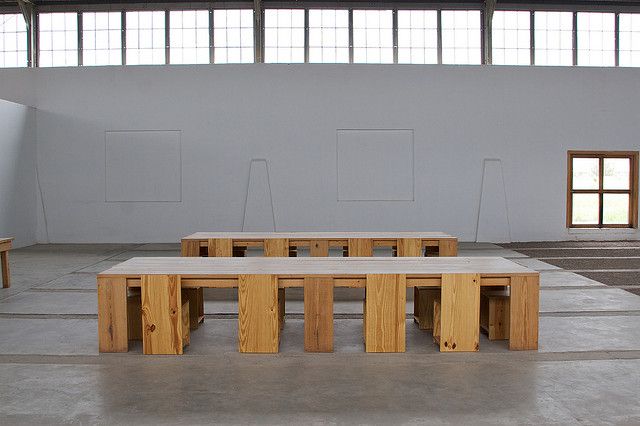
Looking into these spaces more I became interested in Judds furniture and the possibilities of design within a fine-art practice. The idea of functionality and necessity really stuck out for me (when Judd first moved to Marfa he had to make his own furniture for his family as he could not find any he liked in town).
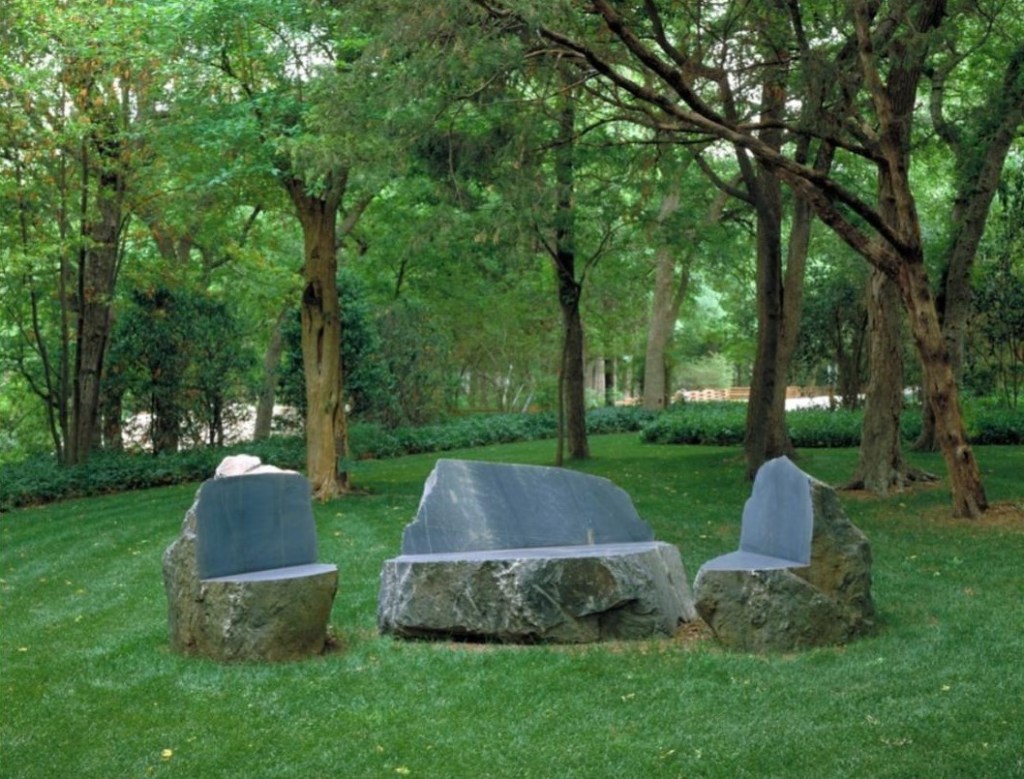
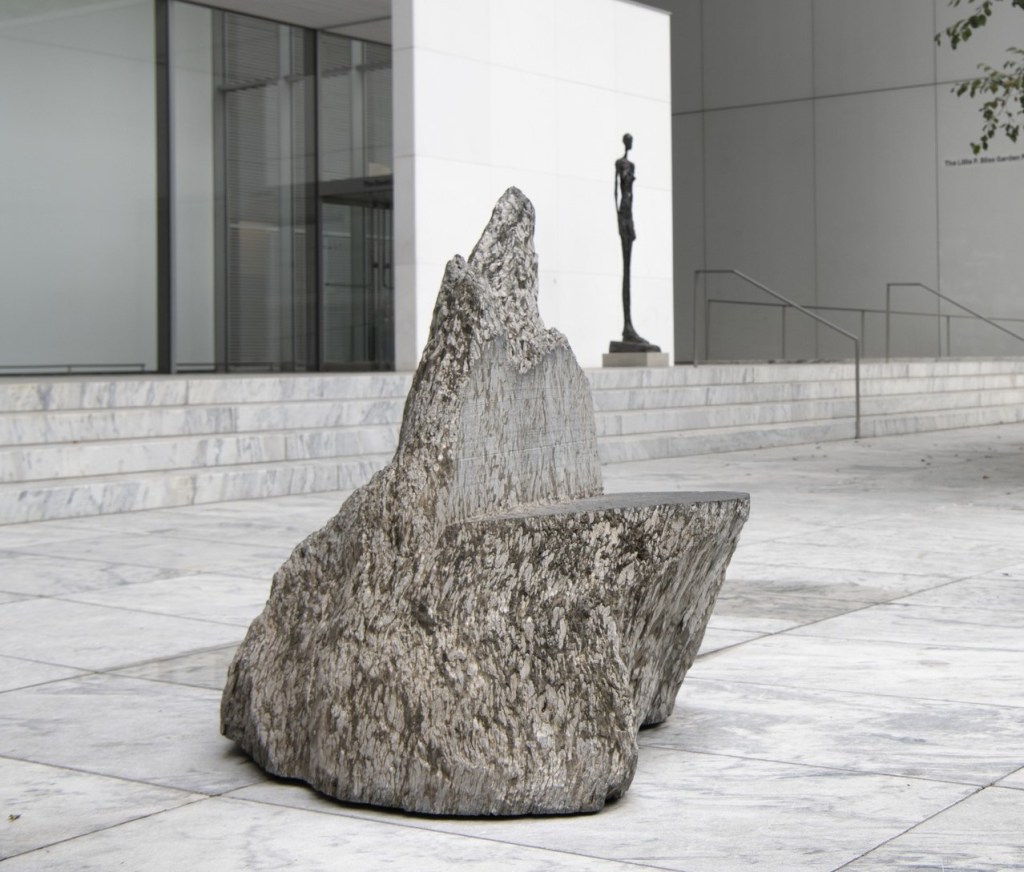

While Judd was known for keeping his art and furniture distinctly separate, rarely showing the two next to each other to avoid confusion, Scott Burton was an artist, I discovered, who’s work thrived in this ambiguity. Burton’s works, like his rock chairs, straddle and throw into question the categories and labels of art, chair and rock, intending to making the viewer reconsider their divisions and the nature of categories more broadly . I really found the idea of being able to sit on an artwork both incredibly funny and profound. The idea of functionary appealed to me.
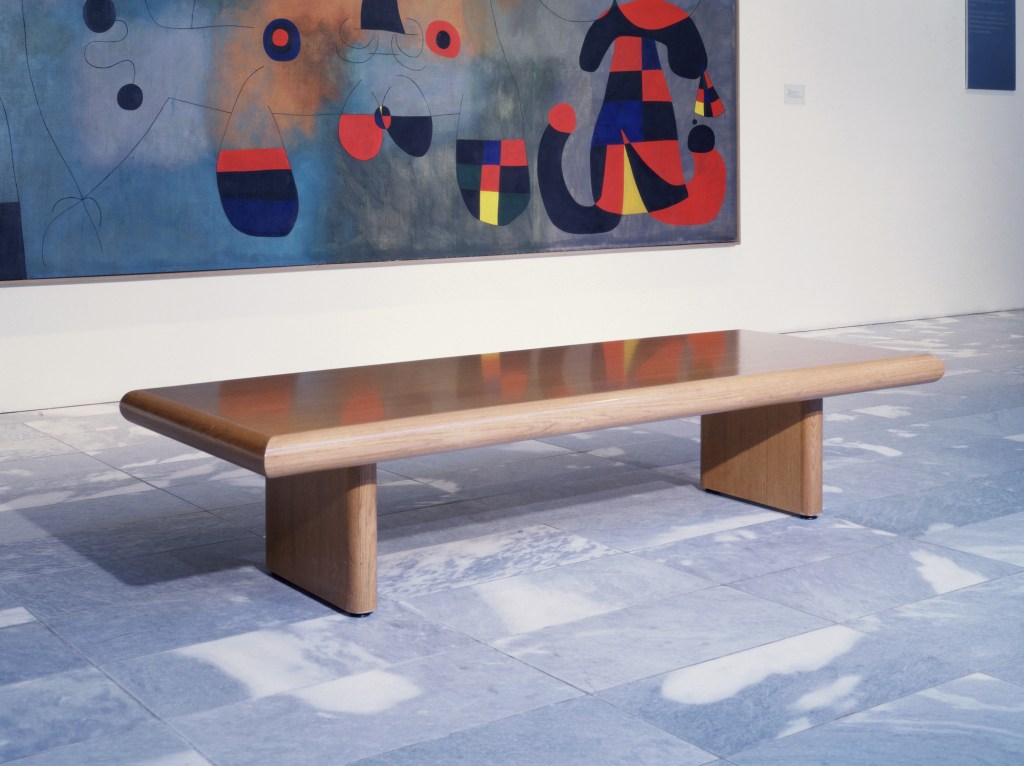
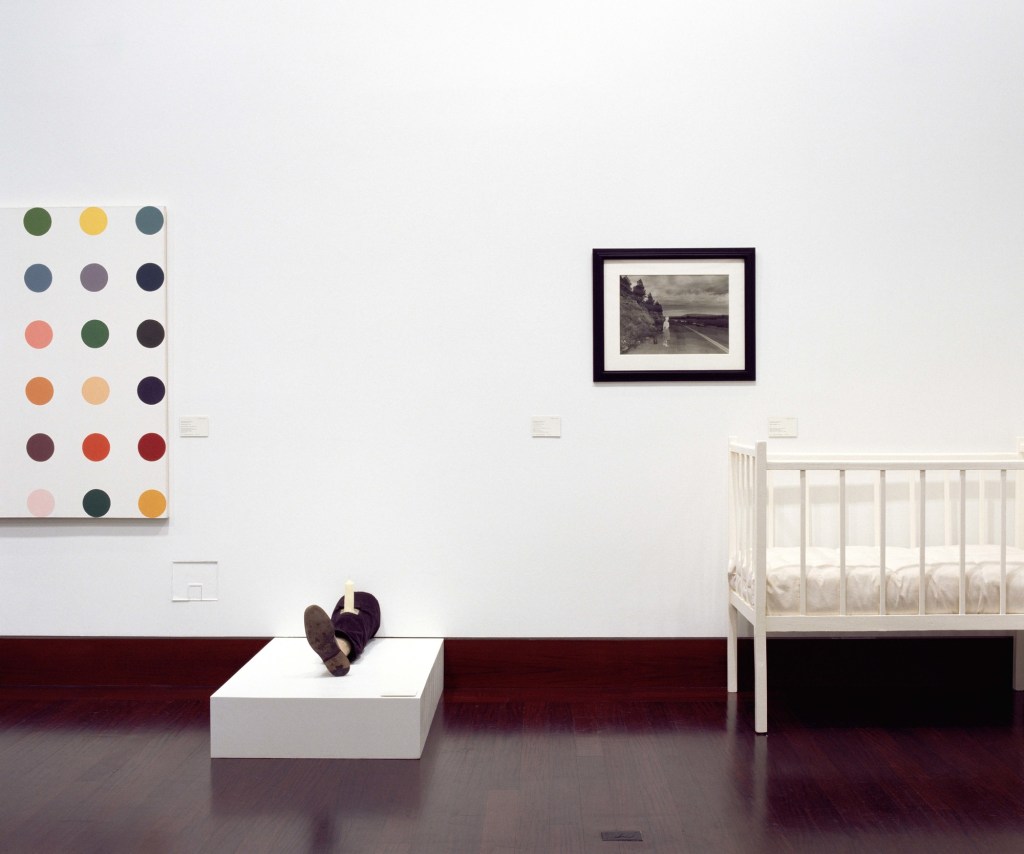
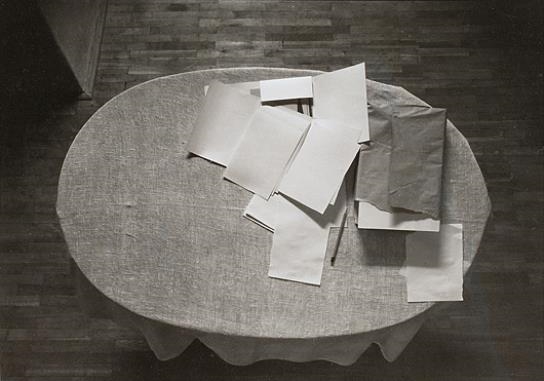
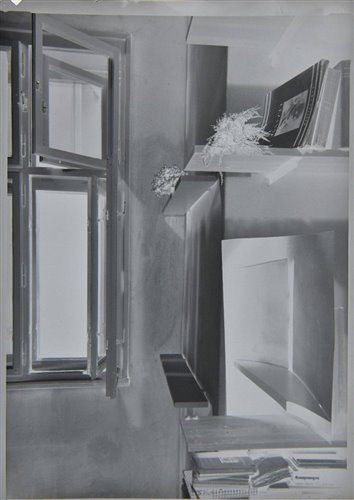
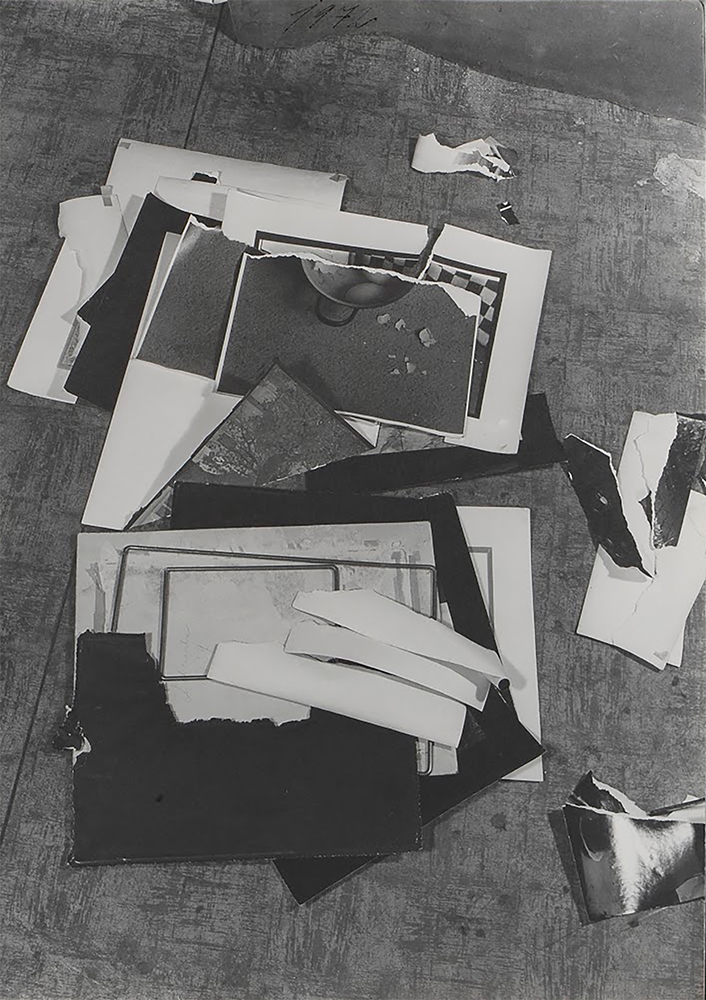
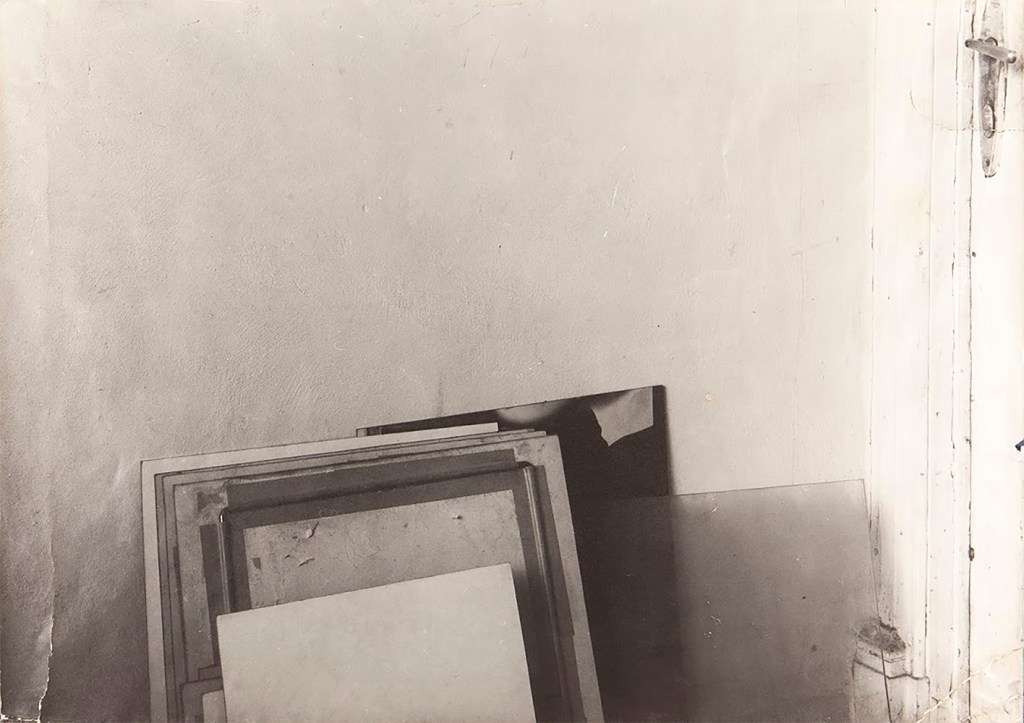
This led me to the work of Louise Lawler who takes photographs of the context of artworks, be it museums, auction houses or collectors homes. Her work shines a light on the structures of art, and the systems which artworks are reliant on to exist and be seen. Her art has made me really start to broaden my view/ focus when thinking about viewing artworks: my understanding of art informed not just by the artwork itself but the space around it (literally and metaphorically). I realized her work related a great deal to a photographer I saw at The Photographers Gallery in summer, Jan Svaboda, a Chzec photographer of the 60’s and 70’s. His work deals with making photography more sculptural through documenting the materiality of paper/ photographs.
Judd’s furniture + interiors some of his houses/ studios
 Oisin Stanley-Stephenson